

Medical devices have revolutionized the field of healthcare, offering innovative solutions for diagnosis, treatment, and patient care. As a medical device supplier, I've witnessed firsthand the transformative impact these technologies have on improving health outcomes. However, with the widespread use of medical devices comes the question: Are there any side effects of using medical devices? In this blog post, I'll explore this topic in detail, examining the potential risks and benefits associated with various medical devices.
Understanding Medical Devices and Their Uses
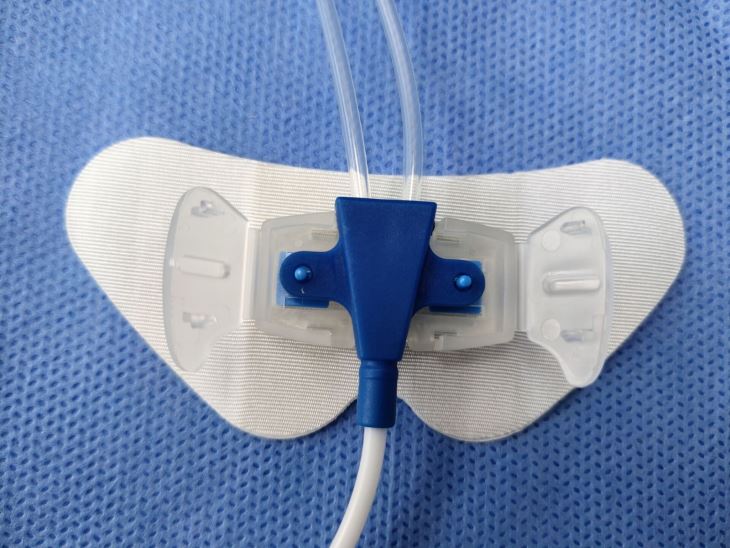
Medical devices encompass a wide range of products, from simple tools like thermometers and bandages to complex equipment such as MRI machines and pacemakers. These devices are designed to perform specific functions, such as monitoring vital signs, delivering medications, or supporting bodily functions. For example, Epidural Catheter Fixation Device is used to secure epidural catheters, ensuring proper placement and reducing the risk of displacement during pain management procedures. Similarly, the PICC Plus Fixed Post Securement Device is designed to stabilize peripherally inserted central catheters (PICCs), preventing complications associated with catheter movement.
Potential Side Effects of Medical Devices
While medical devices offer numerous benefits, they can also pose certain risks and side effects. These side effects can vary depending on the type of device, its intended use, and the individual patient's circumstances. Some common side effects associated with medical devices include:
Infection
One of the most significant risks associated with medical devices is the potential for infection. Devices that are inserted into the body, such as catheters and implants, can provide a pathway for bacteria and other microorganisms to enter the body, increasing the risk of infection. For example, urinary catheters are a common cause of urinary tract infections, while central venous catheters can lead to bloodstream infections. To minimize the risk of infection, healthcare providers must follow strict infection prevention protocols, such as proper hand hygiene, sterile insertion techniques, and regular device maintenance.
Allergic Reactions
Some patients may experience allergic reactions to the materials used in medical devices. For example, latex allergies are relatively common, and exposure to latex-containing devices, such as gloves and catheters, can trigger allergic reactions ranging from mild skin irritation to severe anaphylaxis. In addition, some patients may be allergic to metals used in medical implants, such as nickel or cobalt. To prevent allergic reactions, healthcare providers should carefully assess patients for known allergies and use alternative materials when necessary.
Device Malfunction
Medical devices are complex technologies that can sometimes malfunction, leading to serious complications. Device malfunction can occur due to a variety of factors, including manufacturing defects, improper use or maintenance, and wear and tear over time. For example, a malfunctioning pacemaker may fail to deliver the appropriate electrical impulses, leading to irregular heart rhythms and potentially life-threatening complications. To minimize the risk of device malfunction, manufacturers must adhere to strict quality control standards, and healthcare providers must ensure that devices are properly installed, maintained, and monitored.
Tissue Damage
Medical devices that are inserted into the body or used to manipulate tissues can sometimes cause tissue damage. For example, surgical instruments can cause trauma to surrounding tissues during procedures, while catheters and other devices can cause irritation or damage to blood vessels and other organs. In addition, some devices may exert pressure on surrounding tissues, leading to ischemia (lack of blood flow) and tissue necrosis (death). To minimize the risk of tissue damage, healthcare providers must use devices with appropriate sizes and shapes, and they must carefully monitor patients for signs of tissue injury.
Mitigating the Risks of Medical Devices
Despite the potential side effects associated with medical devices, the benefits of these technologies often outweigh the risks. To minimize the risks and side effects of medical devices, healthcare providers, manufacturers, and patients must work together to ensure the safe and effective use of these products. Some strategies for mitigating the risks of medical devices include:
Patient Education
Patients play a crucial role in their own healthcare, and education is key to ensuring the safe and effective use of medical devices. Healthcare providers should provide patients with comprehensive information about the device, its intended use, potential risks and side effects, and proper care and maintenance. Patients should also be encouraged to ask questions and report any concerns or symptoms to their healthcare provider promptly.
Device Selection and Evaluation
Healthcare providers must carefully select medical devices based on the patient's specific needs, medical history, and individual circumstances. They should also evaluate the safety and effectiveness of the device before use, considering factors such as the device's design, materials, and performance. In addition, healthcare providers should stay informed about the latest research and developments in medical device technology to ensure that they are using the most appropriate and up-to-date devices for their patients.
Regular Monitoring and Maintenance
Regular monitoring and maintenance of medical devices are essential to ensure their safe and effective use. Healthcare providers should monitor patients for signs of device-related complications, such as infection, allergic reactions, or device malfunction, and take appropriate action if necessary. They should also perform regular maintenance and calibration of devices to ensure that they are functioning properly.
Collaboration between Healthcare Providers and Manufacturers
Collaboration between healthcare providers and manufacturers is crucial to improving the safety and effectiveness of medical devices. Healthcare providers can provide valuable feedback to manufacturers about the performance and usability of devices, which can help manufacturers identify areas for improvement and develop new and improved products. In addition, manufacturers can work with healthcare providers to develop and implement training programs and educational materials to ensure that devices are used safely and effectively.
The Role of Medical Device Suppliers
As a medical device supplier, I understand the importance of providing high-quality, safe, and effective medical devices to healthcare providers and patients. At our company, we are committed to working closely with healthcare providers and manufacturers to ensure that our products meet the highest standards of quality and safety. We offer a wide range of medical devices, including Epidural Catheter Fixation Device, PICC Plus Fixed Post Securement Device, and Epidural Catheter Stabilization Device, all of which are designed to minimize the risk of complications and improve patient outcomes.
Conclusion
Medical devices play a vital role in modern healthcare, offering innovative solutions for diagnosis, treatment, and patient care. While these devices can provide numerous benefits, they can also pose certain risks and side effects. By understanding the potential side effects of medical devices and taking appropriate measures to mitigate these risks, healthcare providers, manufacturers, and patients can ensure the safe and effective use of these technologies. As a medical device supplier, I am committed to providing high-quality products and supporting healthcare providers in their efforts to deliver the best possible care to their patients.

If you are interested in learning more about our medical devices or would like to discuss your specific needs, please feel free to contact us. We look forward to the opportunity to work with you and help you improve the health and well-being of your patients.
References
- Centers for Disease Control and Prevention (CDC). (2023). Healthcare-Associated Infections. Retrieved from [CDC website]
- Food and Drug Administration (FDA). (2023). Medical Device Safety. Retrieved from [FDA website]
- World Health Organization (WHO). (2023). Guidelines on Hand Hygiene in Health Care. Retrieved from [WHO website]