

As a supplier of Sterile Infusion Paste, I often encounter inquiries regarding the diverse applications of our product. One question that frequently surfaces is whether Sterile Infusion Paste can be used for eye problems. In this blog post, I aim to explore this topic in depth, providing a scientific and evidence - based analysis to help you understand the potential uses and limitations of Sterile Infusion Paste in relation to eye health.
Understanding Sterile Infusion Paste
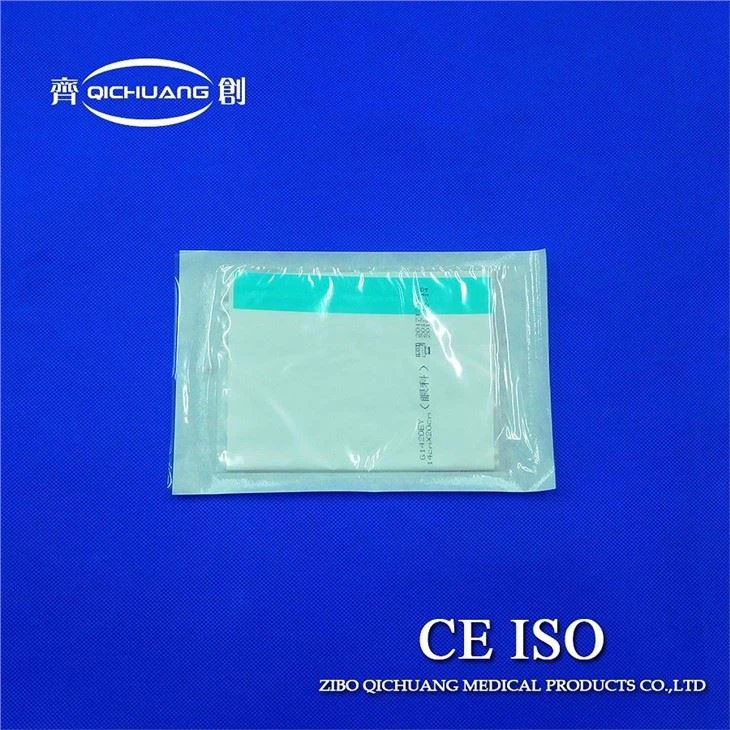
Sterile Infusion Paste is a medical product designed primarily for use in intravenous infusion procedures. It is formulated to secure the infusion needle in place, prevent its displacement, and provide a sterile barrier to reduce the risk of infection at the infusion site. The paste is typically made from a combination of medical - grade adhesives and other components that are safe for use on the skin.
The key properties of Sterile Infusion Paste include its sterility, adhesiveness, and biocompatibility. These properties ensure that it can be used safely on the skin without causing irritation or allergic reactions in most cases. However, these characteristics are tailored to the requirements of intravenous infusion, and it is essential to evaluate whether they are suitable for use in the context of eye problems.
The Complexity of the Eye
The eye is an incredibly delicate and complex organ. It has a unique structure and physiology that make it highly sensitive to external substances. The surface of the eye, including the cornea and conjunctiva, is covered with a thin layer of cells that are extremely vulnerable to damage. Any foreign substance introduced into the eye can potentially cause irritation, inflammation, or even more severe damage to the eye tissues.
In addition, the eye has its own natural defense mechanisms, such as tears, which help to keep the eye clean and moist. These defense mechanisms are finely tuned to maintain the normal function and health of the eye. Using an inappropriate product in or around the eye can disrupt these natural processes and lead to various eye problems.

Potential Risks of Using Sterile Infusion Paste for Eye Problems
- Chemical Irritation
The adhesives and other components in Sterile Infusion Paste are designed for use on the skin, not for contact with the delicate tissues of the eye. When in contact with the eye, these chemicals can cause irritation, redness, itching, and pain. The eye's surface is much more sensitive than the skin, and substances that are well - tolerated on the skin may be highly irritating to the eye. - Allergic Reactions
Some individuals may be allergic to the components of Sterile Infusion Paste. An allergic reaction in the eye can be particularly dangerous, as it can lead to swelling, increased redness, and impaired vision. In severe cases, an allergic reaction can cause anaphylaxis, which is a life - threatening condition. - Mechanical Damage
The consistency of the paste may cause mechanical damage to the eye. If the paste gets into the eye, it can adhere to the eye surface and be difficult to remove. Attempting to remove the paste can scratch the cornea or other eye tissues, leading to further complications.
Situations Where Sterile Infusion Paste Should Not Be Used for Eye Problems
- Eye Infections: Using Sterile Infusion Paste on an infected eye can trap bacteria or other pathogens, preventing the natural drainage of pus and exacerbating the infection.
- Eye Injuries: In the case of an eye injury, such as a corneal abrasion or a laceration, the paste can cause further damage to the injured tissues and increase the risk of infection.
- Dry Eye Syndrome: The paste is not formulated to provide the necessary moisture and lubrication for dry eyes. Instead, it may cause further dryness and irritation.
When Sterile Infusion Paste Is Not a Substitute for Proper Eye Care Products
There are many specialized eye care products available on the market, such as eye drops, ointments, and lubricants, which are specifically formulated to address various eye problems. These products are tested and approved for use in the eye and are designed to be safe and effective. For example, artificial tears can help to relieve dry eyes, while antibiotic eye drops are used to treat eye infections.
Sterile Infusion Paste does not have the same properties or functions as these eye care products. It cannot provide the targeted treatment that the eye needs, and using it instead of proper eye care products can delay the appropriate treatment and worsen the eye condition.
Our Other Medical Products
While Sterile Infusion Paste is not suitable for eye problems, our company offers a wide range of other high - quality medical products. One of our notable products is the Disposable Sterile Medical Surgical Incise Adhesive Dressing Drapes. These dressing drapes are designed to provide a sterile barrier during surgical procedures, reducing the risk of surgical site infections. They are made from medical - grade materials that are safe and reliable, ensuring the best possible outcome for patients.
Conclusion
In conclusion, Sterile Infusion Paste is not recommended for use in treating eye problems. The potential risks of chemical irritation, allergic reactions, and mechanical damage far outweigh any potential benefits. When dealing with eye problems, it is always best to consult an eye doctor and use appropriate eye care products that are specifically designed for the eye.
As a supplier of medical products, we are committed to providing high - quality and safe products. Our Sterile Infusion Paste is an excellent choice for intravenous infusion procedures, and our other products, such as the Disposable Sterile Medical Surgical Incise Adhesive Dressing Drapes, are also designed to meet the needs of the medical industry.
If you are interested in our products and would like to discuss procurement, please feel free to reach out to us. We are looking forward to establishing a long - term and mutually beneficial cooperation with you.
References
- American Academy of Ophthalmology. "Eye Care Basics." Available at the official website of the American Academy of Ophthalmology.
- World Health Organization. "Eye Health: Global Data and Statistics." World Health Organization publications related to eye health.
- Medical textbooks on ophthalmology, which provide in - depth knowledge about the structure, function, and diseases of the eye.