

As a supplier of Infusion Paste, one of the most frequently asked questions I encounter is, "Does Infusion Paste have a shelf life?" This question is not only crucial for end - users but also for distributors and healthcare providers. In this blog, I will delve into the topic of the shelf life of Infusion Paste, exploring the factors that influence it, how to determine it, and the implications of expired products.
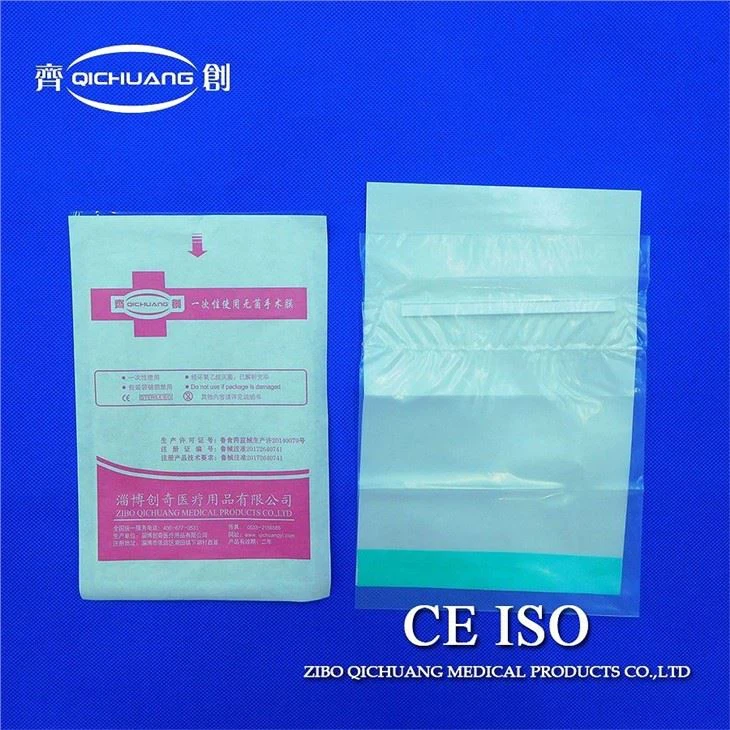

What is Infusion Paste?
Before we discuss the shelf life, let's briefly understand what Infusion Paste is. Infusion Paste is a medical product commonly used in healthcare settings. It is often applied around the infusion site to secure the infusion device, such as a catheter or needle, and to provide a barrier against external contaminants. The paste is designed to be gentle on the skin while maintaining a strong adhesive property.
The Existence of Shelf Life
Yes, Infusion Paste does have a shelf life. Like all medical products, Infusion Paste is subject to degradation over time. The shelf life is the period during which the product can be expected to remain stable and meet its specified quality, safety, and performance criteria when stored under the recommended conditions.
Factors Influencing the Shelf Life of Infusion Paste
- Chemical Composition
The chemical components of Infusion Paste play a significant role in determining its shelf life. For example, if the paste contains certain polymers or adhesives that are prone to oxidation or hydrolysis, the product's performance may deteriorate over time. Oxidation can cause the adhesive to lose its stickiness, while hydrolysis can lead to changes in the physical properties of the paste. - Storage Conditions
Proper storage is essential for maintaining the shelf life of Infusion Paste. Temperature, humidity, and light exposure are key factors. High temperatures can accelerate chemical reactions within the paste, leading to a shorter shelf life. Similarly, excessive humidity can cause the paste to absorb moisture, which may affect its adhesive properties. Light, especially ultraviolet light, can also degrade the chemical components of the paste. - Packaging
The type of packaging used for Infusion Paste can impact its shelf life. A well - sealed and opaque package can protect the paste from light, moisture, and air. For instance, if the packaging allows air to enter, oxygen can react with the components of the paste, causing oxidation. On the other hand, a high - quality, airtight package can extend the product's shelf life by preventing these interactions.
Determining the Shelf Life of Infusion Paste
Manufacturers typically conduct stability studies to determine the shelf life of Infusion Paste. These studies involve storing the product under different conditions and monitoring its quality over time. The parameters measured may include adhesive strength, pH, and physical appearance. Based on the results of these studies, the manufacturer assigns a shelf life to the product, which is usually indicated on the packaging.
It is important to note that the shelf life is an estimate, and actual performance may vary depending on storage conditions. For example, if the product is stored at a higher temperature than recommended, its shelf life may be shorter than the stated value.
Implications of Using Expired Infusion Paste
Using expired Infusion Paste can pose several risks. Firstly, the adhesive strength of the paste may be reduced, which can lead to the loosening of the infusion device. This not only increases the risk of the device dislodging but also exposes the infusion site to potential contamination. Secondly, the chemical composition of the expired paste may have changed, which could cause skin irritation or allergic reactions in patients.
How to Ensure the Quality of Infusion Paste within Its Shelf Life
- Proper Storage
Healthcare facilities and distributors should store Infusion Paste in a cool, dry place away from direct sunlight. The recommended storage temperature is usually between 2 - 8°C or at room temperature, depending on the product. It is also important to keep the product in its original packaging until it is ready to be used. - Inventory Management
Implementing a first - in, first - out (FIFO) inventory management system can help ensure that the oldest products are used first. This reduces the risk of using expired products and helps maintain the overall quality of the inventory. - Regular Inspection
Regularly inspecting the Infusion Paste for any signs of damage, such as leaks or changes in appearance, can help identify potential issues before they become a problem. If any abnormalities are detected, the product should not be used.
Our Commitment as a Supplier
As a supplier of Infusion Paste, we are committed to providing high - quality products with a reasonable shelf life. We work closely with our manufacturers to ensure that the products are produced under strict quality control standards. Our packaging is designed to protect the paste from environmental factors, and we provide clear instructions on storage and handling.
In addition to our high - quality Infusion Paste, we also offer Disposable Sterile Medical Surgical Incise Adhesive Dressing Drapes. These products are essential for maintaining a sterile environment during surgical procedures.
Contact Us for Procurement
If you are interested in purchasing our Infusion Paste or other related medical products, we invite you to contact us for procurement discussions. We can provide you with detailed product information, pricing, and delivery options. Our team is dedicated to meeting your needs and ensuring that you receive the best products and services.
References
- European Union. (2017). Medical Devices Regulation (EU) 2017/745.
- International Organization for Standardization. (2019). ISO 13485:2016 - Medical devices -- Quality management systems -- Requirements for regulatory purposes.
- U.S. Food and Drug Administration. (2020). Guidance for Industry and Food and Drug Administration Staff: Content of Labeling for Human Prescription Drug and Biological Products -- Requirements under Section 502 of the Federal Food, Drug, and Cosmetic Act.