

When it comes to putting together a medical kit, one of the most common questions I get as a medical kit supplier is, “How much gauze should be in a medical kit?” It's a valid question, and the answer isn't always straightforward. In this blog post, I'll break down the factors you need to consider when determining the right amount of gauze for your medical kit.
Understanding the Types of Gauze
First off, there are different types of gauze, each with its own purpose. The most common types are woven and non - woven gauze. Woven gauze is made from a tight weave of fibers and is often used for cleaning wounds, applying dressings, and providing a layer of protection. Non - woven gauze, on the other hand, is made by bonding fibers together and is great for absorbing blood and other fluids.
You've also got larger gauze pads, which are good for covering big wounds, and smaller squares or strips that are handy for more precise tasks like cleaning small cuts or applying ointments. Depending on what your medical kit is intended for, you'll want to include a mix of these types.
Who Is the Medical Kit For?
The amount of gauze you should include depends on who's going to be using the medical kit.
- Household Use: For a basic home medical kit, you probably won't need a huge amount of gauze. A few large pads (say, 4 - 6 pieces of 4x4 inches or larger) and around 10 - 15 small squares or strips should be sufficient. Most home injuries are minor cuts, scrapes, or small burns. These can usually be treated with a couple of small pieces of gauze.
- First Aid at Work: In a workplace setting, it really depends on the nature of the work. An office environment might only need a similar amount to a household kit. But in a more hazardous workplace like a construction site or a factory, you'll need a lot more. You might want 10 - 15 large pads and 20 - 30 small pieces. There's a higher risk of more serious injuries that require more extensive wound coverage.
- Outdoor Activities: If you're into hiking, camping, or other outdoor activities, it's a good idea to pack more gauze. You're away from immediate medical help, so you need to be prepared for more severe injuries. I'd recommend at least 8 - 10 large pads and 15 - 20 small pieces. You never know when you might encounter a deep cut or a large abrasion on a long - distance hike.
Considering the Frequency of Use
Another factor is how often the medical kit is likely to be used. If it's just sitting in a cupboard in case of an emergency, you might not need to stock up too much. But if it's being used regularly, like in a medical clinic or a sports training facility, you'll need to have a larger supply.
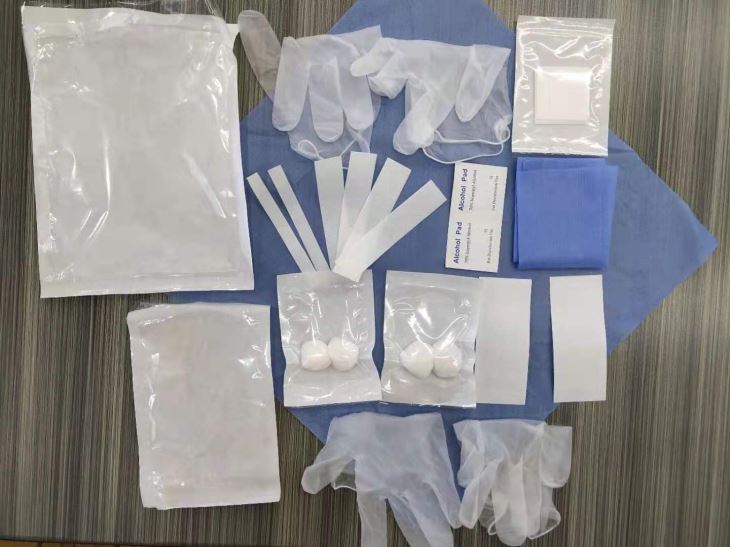
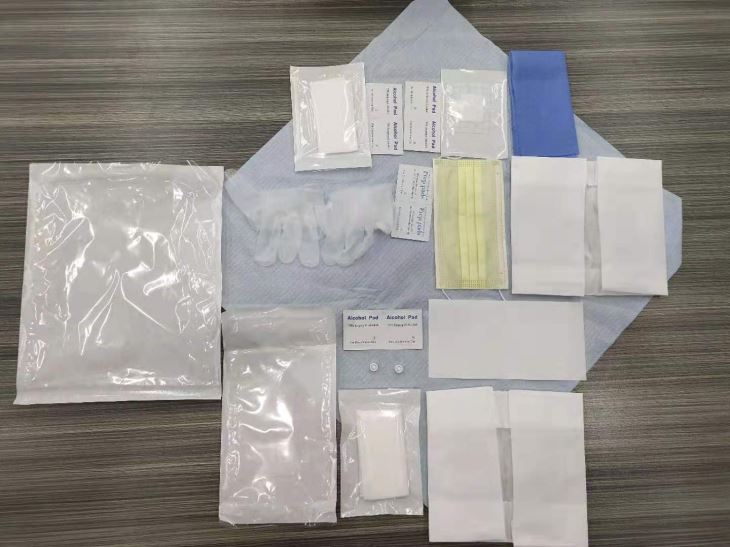
In a clinic, patients come in with all sorts of wounds, so you need to be ready. You might want cases of gauze on hand, with packs that have dozens of large and small pieces. Even in a sports training facility, where athletes often get minor injuries during practices and games, having a good amount of gauze is essential.
Storage and Shelf Life
You also have to think about storage space and the shelf life of the gauze. Gauze doesn't take up a ton of space, but it can add up if you're stocking a large quantity. Make sure you have enough room in your medical kit or storage area.
Most gauze has a relatively long shelf life, usually around 3 - 5 years if stored properly in a cool, dry place. But if you're buying in bulk, make sure you'll use it before it expires. You don't want to end up with a bunch of expired gauze that's no good when you need it.
Complementary Products
Gauze doesn't work alone. You'll want to pair it with other items in your medical kit. For example, you'll need adhesive tape to secure the gauze to the wound. Antiseptic wipes are also crucial for cleaning the wound before applying the gauze. And if you're dealing with more serious injuries, you might want to consider including Medical Disposable Stitches Care Kits. These kits can be used for more complex wound care.
A Dressing Change Pack Set is also a great addition. It usually comes with everything you need for changing a dressing, including gauze, wipes, and tape. And for patients on dialysis, a Catheter Connection Disconnection Dialysis Kit is essential, and it may also include specialized gauze for catheter care.
Conclusion
So, to answer the question, “How much gauze should be in a medical kit?” there's no one - size - fits - all answer. It depends on who's using the kit, the frequency of use, and the type of injuries you're likely to encounter. But as a general guideline, for a simple home kit, start with 4 - 6 large pads and 10 - 15 small pieces. For more demanding environments, increase the quantity accordingly.
If you're in the process of putting together a medical kit or looking to restock an existing one, feel free to reach out. We've been in the medical kit supply business for a long time, and we can help you figure out exactly how much gauze and other supplies you need. Whether you're a small business, a large organization, or an individual looking for the right kit, we're here to assist you in making sure you're well - prepared for any medical situation.
References
- American Red Cross. First Aid Manual.
- National Safety Council. Emergency Care and Safety Handbook.