

Hey there! As a medical dressing supplier, I often get asked about how often medical dressings should be changed. It's a super important question because the right dressing - change frequency can make a huge difference in wound healing.
Let's start with the basics. There isn't a one - size - fits - all answer to how often dressings should be changed. It depends on several factors, like the type of wound, the dressing material, and the patient's overall condition.
Types of Wounds and Dressing Change Frequencies
Acute Wounds
Acute wounds, like surgical incisions or cuts from an accident, usually have a different dressing - change schedule than chronic wounds. For fresh surgical incisions, the initial dressing is often left in place for 24 to 48 hours, as long as there's no excessive bleeding or leakage. This gives the wound a chance to start the natural healing process without being disturbed.
After the initial period, if the wound looks clean and dry, the dressing can be changed every 2 to 3 days. But if there's any sign of infection, such as redness, swelling, or pus, the dressing should be changed immediately.
Chronic Wounds
Chronic wounds, such as pressure ulcers or diabetic foot ulcers, are a bit more complicated. These wounds often have a lot of exudate (the fluid that comes out of the wound). Dressings on chronic wounds with high exudate may need to be changed daily or even more frequently, like every 12 hours. This is because if the dressing gets saturated with exudate, it can create a breeding ground for bacteria, which can delay healing and cause infection.
On the other hand, chronic wounds with low exudate can have their dressings changed less often, maybe every 3 to 5 days. It's all about keeping the wound environment just right.
Dressing Materials Matter
The type of dressing you use also plays a big role in how often it should be changed.
Gauze Dressings
Gauze is a very common dressing material. It's absorbent and can be used on a variety of wounds. However, it can dry out and stick to the wound, which can be painful when it's time to change it. Gauze dressings on wounds with a lot of exudate may need to be changed every 1 to 2 days. For wounds with less exudate, every 2 to 3 days might be sufficient.
Hydrocolloid Dressings
Hydrocolloid dressings are great for creating a moist environment that promotes healing. They can be left in place for a longer time, usually 3 to 7 days, as long as they're still intact and there's no sign of leakage or infection. These dressings are especially good for shallow, low - exudate wounds.
Transparent Film Dressings
Transparent film dressings, like the IV Start Film Dressing and Transparent Film Pediatric IV Dressing, are often used for intravenous (IV) sites or superficial wounds. They allow you to see the wound without removing the dressing. These dressings can typically be left in place for 3 to 7 days, depending on the condition of the site.
Foam Dressings
Foam dressings are highly absorbent and are used for wounds with moderate to high exudate. They can usually be left in place for 2 to 4 days, but this can vary depending on how quickly they become saturated.
Patient - Specific Factors
The patient's overall health and lifestyle also affect dressing - change frequency.
Immune System
Patients with a weakened immune system, such as those with diabetes or HIV, are more prone to infections. So, their dressings may need to be changed more frequently to reduce the risk of infection.
Mobility
If a patient is very mobile, the dressing may get rubbed or dislodged more easily. In this case, it might need to be checked more often and changed if it's no longer in place or is damaged.
Allergy
Some patients may be allergic to certain dressing materials. If this is the case, the dressing needs to be changed right away, and a different type of dressing should be used.
Specialized Dressings
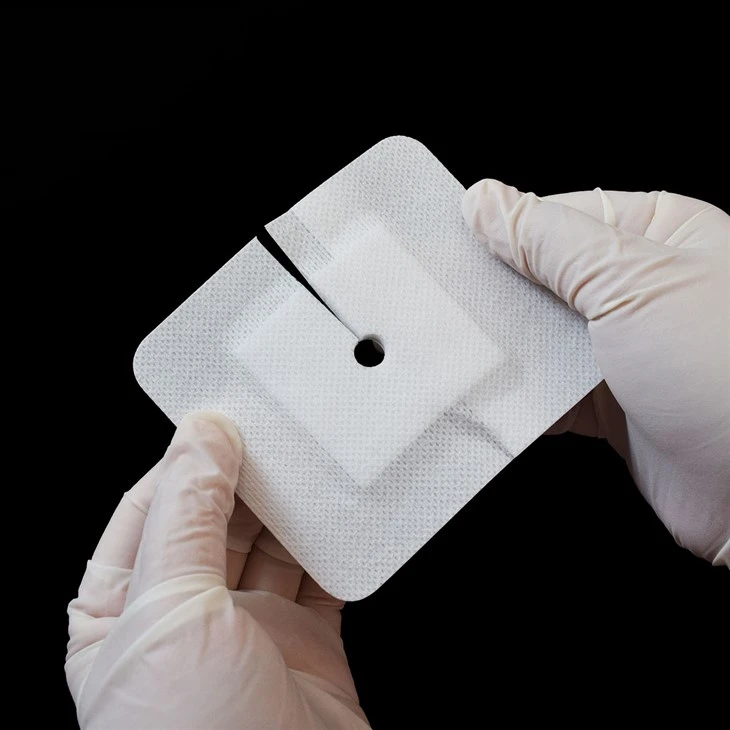
There are also some specialized dressings that have their own rules for changing. For example, the Peritoneal Dialysis PD Catheter Drain Split Bordered Gauze used in peritoneal dialysis has a specific protocol for dressing changes. Usually, it's changed according to the doctor's instructions, which can be anywhere from every 2 to 7 days, depending on the patient's condition and the amount of drainage.

Monitoring the Wound
Regardless of the type of wound or dressing, it's crucial to monitor the wound regularly. Look for signs of healing, like the formation of new tissue, as well as signs of problems, such as infection. If you notice any changes in the wound's appearance, smell, or the amount of exudate, it might be time to change the dressing.
Conclusion
In conclusion, there's no simple answer to how often medical dressings should be changed. It's a combination of the type of wound, the dressing material, and the patient's individual circumstances. As a medical dressing supplier, I always recommend working closely with healthcare professionals to determine the best dressing - change schedule for each patient.
If you're in the market for high - quality medical dressings, we've got a wide range of products to meet your needs. Whether you need dressings for acute or chronic wounds, we've got you covered. Reach out to us for more information and to start a procurement discussion. We're here to help you make the right choices for your patients.
References
- National Pressure Ulcer Advisory Panel. Pressure Ulcer Prevention and Treatment Guidelines.
- Wound Healing Society. Best Practices in Wound Care.
- Centers for Disease Control and Prevention. Guidelines for Prevention of Surgical Site Infection.