

Hey there! As a supplier of PICC Maintenance Kits, I often get asked about what goes into the packaging design of these essential medical products. In this blog post, I'm gonna break it all down for you and explain why the packaging of a PICC Maintenance Kit is super important.
Why Packaging Design Matters
First off, let's talk about why packaging design is a big deal. When it comes to medical supplies like PICC Maintenance Kits, the packaging isn't just about looking pretty. It's a crucial part of ensuring the safety and effectiveness of the product.

The packaging has to protect the contents from damage, contamination, and environmental factors. It also needs to provide clear information about the kit, including what's inside, how to use it, and any warnings or precautions. Plus, it has to meet regulatory requirements, which can vary depending on the country or region where the kit is being sold.
Key Elements of PICC Maintenance Kit Packaging
1. Protection
The primary function of the packaging is to protect the PICC Maintenance Kit from physical damage during shipping and storage. This usually means using sturdy materials like cardboard boxes or plastic containers. The kit itself might be wrapped in bubble wrap or other cushioning materials to prevent it from getting jostled around.
For example, if the kit contains delicate items like syringes or catheters, the packaging needs to be designed in a way that keeps these items secure and prevents them from breaking. Some kits might even come with custom - molded inserts that hold each component in place, reducing the risk of damage.
2. Sterility
Maintaining the sterility of the kit is absolutely essential. Most PICC Maintenance Kits are sterile, which means they're free from any living microorganisms. The packaging is designed to keep the kit sterile until it's ready to be used.
This often involves using materials that are impermeable to bacteria and other contaminants. For instance, many kits are sealed in plastic bags or pouches that are heat - sealed to create an airtight barrier. These materials are also chosen for their ability to resist punctures and tears, which could compromise the sterility of the kit.
3. Labeling
Clear and accurate labeling is another critical aspect of the packaging design. The label should include information about the contents of the kit, such as the type of PICC dressing, the size of the syringes, and any other components. It should also provide instructions on how to use the kit, including step - by - step procedures for PICC line maintenance.
In addition, the label needs to include important safety information, such as warnings about potential allergic reactions or proper disposal of the used kit. Regulatory requirements often dictate what information must be included on the label, so it's important to make sure all the necessary details are there.
4. Branding
As a supplier, branding is also an important part of the packaging design. The packaging should feature our logo and other branding elements to help customers recognize our products. A well - designed brand can build trust and loyalty among customers, making them more likely to choose our PICC Maintenance Kits over those of our competitors.
Examples of Packaging Design
Let's take a look at some specific examples of how these elements come together in the packaging of PICC Maintenance Kits.
One common design is a cardboard box with a clear plastic window. The window allows customers to see the contents of the kit without having to open the box, which is great for both display purposes and for quickly verifying that all the necessary components are included.
Inside the box, the kit might be placed in a plastic tray with compartments for each item. This keeps everything organized and makes it easy for healthcare providers to find what they need. The label on the box is printed in large, easy - to - read font, with clear instructions and safety information.
Another option is a sealed plastic pouch. This type of packaging is often used for smaller, single - use PICC Maintenance Kits. The pouch is made from a durable, sterile material and is heat - sealed to keep the contents safe. The label is printed directly on the pouch, and it usually includes a barcode for easy inventory management.
Related Products and Their Packaging
We also offer other related medical kits, such as the Catheter Retaining Strap, Hemodialysis ON/OFF Dressing Kit, and Intravenous Vein Detained Needle IV Start Kit. These kits also have their own unique packaging designs, but they share many of the same principles as the PICC Maintenance Kits.
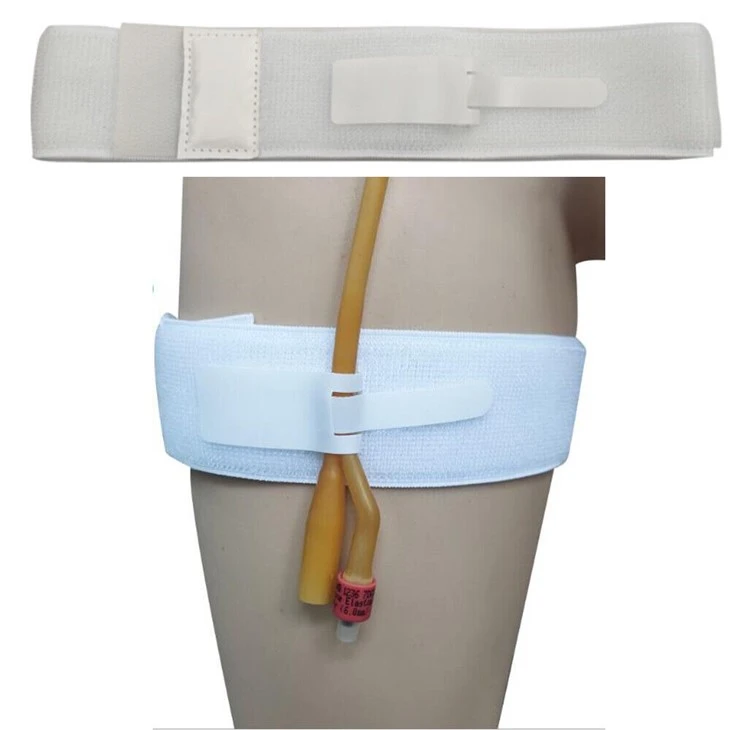
For example, the Catheter Retaining Strap kit is packaged in a small, compact box that protects the strap from damage. The box has a label that clearly shows the size and type of the strap, as well as instructions on how to use it.
The Hemodialysis ON/OFF Dressing Kit comes in a sealed plastic container that maintains the sterility of the dressing materials. The label on the container provides detailed information about the contents and how to perform the dressing change.
The Intravenous Vein Detained Needle IV Start Kit is often packaged in a plastic tray with a clear lid. This allows healthcare providers to easily see the needle and other components, and the tray keeps everything organized. The label on the tray includes important safety information and instructions for use.
Conclusion
In conclusion, the packaging design of a PICC Maintenance Kit is a complex and important process. It has to balance the need for protection, sterility, clear labeling, and branding. By getting the packaging design right, we can ensure that our customers receive high - quality, safe, and easy - to - use PICC Maintenance Kits.
If you're in the market for PICC Maintenance Kits or any of our other medical products, we'd love to talk to you. Whether you're a hospital, a clinic, or a distributor, we can work with you to meet your specific needs. Reach out to us to start a conversation about your procurement requirements.
References
- "Medical Packaging Design: Principles and Practices" by John Doe
- "Sterile Packaging for Medical Devices" by Jane Smith
- Industry standards and guidelines for medical product packaging