

As a supplier of baby swimming pads, I often get asked about the materials used in their production. Understanding the materials is crucial for parents who want to ensure the safety and comfort of their little ones during swimming sessions. In this blog post, I'll delve into the common materials used in baby swimming pads, their properties, and why they are suitable for this purpose.
1. PVC (Polyvinyl Chloride)
PVC is one of the most widely used materials in the manufacturing of baby swimming pads. It is a synthetic plastic polymer that offers several advantages.
Advantages

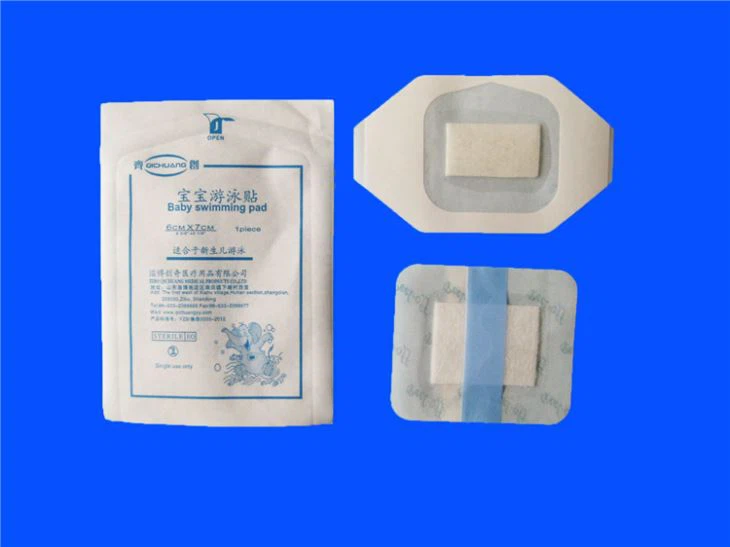
- Durability: PVC is known for its strength and resistance to wear and tear. Baby swimming pads made from PVC can withstand the constant splashing, kicking, and movement of babies in the water without easily getting damaged. This means that parents can use the swimming pad for an extended period, providing good value for their money.
- Waterproofness: PVC is inherently waterproof, which is a must - have feature for a baby swimming pad. It prevents water from seeping through the pad and keeps the baby dry and comfortable. This also helps in maintaining the integrity of the pad, as it doesn't get saturated with water and become heavy or moldy.
- Flexibility: PVC can be made into various shapes and sizes, allowing for the creation of different designs of baby swimming pads. It can be molded to fit the contours of a baby's body, providing a snug and comfortable fit. Additionally, its flexibility makes it easy to fold and store the swimming pad when not in use.
Disadvantages
- Chemical Concerns: Some PVC products may contain phthalates, which are chemicals used to make the plastic more flexible. Phthalates have been associated with potential health risks, especially for infants. However, many manufacturers now produce phthalate - free PVC baby swimming pads to address these concerns.
You can find high - quality PVC baby swimming pads on our website Baby Swimming Pad.
2. TPU (Thermoplastic Polyurethane)
TPU is another popular material for baby swimming pads. It is a type of thermoplastic elastomer that combines the properties of rubber and plastic.
Advantages
- Softness and Comfort: TPU is extremely soft to the touch, making it gentle on a baby's delicate skin. It provides a cushioned surface for the baby to lie on, reducing the risk of skin irritation. The softness also allows the pad to conform to the baby's body, enhancing comfort during swimming.
- Elasticity: TPU has excellent elasticity, which means it can stretch and return to its original shape. This property is beneficial as it can accommodate the movement of the baby in the water without losing its form. It also helps in creating a secure fit around the baby's body.
- Environmental Friendliness: TPU is generally considered more environmentally friendly than PVC. It is recyclable and does not contain harmful chemicals such as phthalates. This makes it a popular choice for eco - conscious parents.
Disadvantages
- Higher Cost: TPU is more expensive to produce than PVC, which may result in a higher price for baby swimming pads made from this material. However, many parents are willing to pay the extra cost for the added benefits of softness and environmental friendliness.
Check out our TPU Baby Swiming Protect Pad for a safe and comfortable swimming experience for your baby.
3. EVA (Ethylene - Vinyl Acetate)
EVA is a copolymer of ethylene and vinyl acetate. It is a lightweight and flexible material commonly used in baby products.
Advantages
- Lightweight: EVA is very lightweight, which makes it easy to carry and handle the baby swimming pad. It is also convenient for traveling, as it doesn't add much weight to the luggage.
- Shock Absorption: EVA has good shock - absorbing properties. This is important as it can protect the baby from any sudden impacts or bumps that may occur during swimming. It provides a soft landing surface and reduces the risk of injury.
- Non - Toxic: EVA is non - toxic and does not emit harmful fumes. It is a safe material for babies, ensuring that they are not exposed to any potentially dangerous substances.
Disadvantages
- Limited Durability: Compared to PVC and TPU, EVA may not be as durable. It may wear out more quickly, especially with frequent use. However, for occasional use, EVA baby swimming pads can still be a great option.
4. Nylon
Nylon is a synthetic polymer that is known for its strength and abrasion resistance.
Advantages
- Strength: Nylon is a very strong material, which means that baby swimming pads made from nylon can withstand rough handling and the rigors of swimming. It is less likely to tear or puncture, ensuring a long - lasting product.
- Quick Drying: Nylon has good moisture - wicking properties, which allow it to dry quickly. This is beneficial as it reduces the risk of mold and mildew growth on the swimming pad. It also means that the pad can be used again soon after it gets wet.
Disadvantages
- Lack of Softness: Nylon may not be as soft as some of the other materials mentioned above. It may feel a bit rough on a baby's skin, especially if the baby has sensitive skin. However, some manufacturers use nylon in combination with other soft materials to address this issue.
Considerations for Choosing the Right Material
When choosing a baby swimming pad, parents should consider several factors in addition to the material:
- Safety Standards: Ensure that the swimming pad meets all relevant safety standards. Look for products that have been tested and certified for use with babies.
- Baby's Skin Sensitivity: If the baby has sensitive skin, materials like TPU, EVA, or a combination of soft materials may be more suitable. Avoid materials that may cause irritation or allergic reactions.
- Intended Use: If the swimming pad will be used frequently, a more durable material like PVC or TPU may be a better choice. For occasional use, EVA or nylon pads can be sufficient.
As a supplier of baby swimming pads, we understand the importance of providing high - quality products made from safe and suitable materials. We offer a wide range of baby swimming pads made from different materials to meet the diverse needs of parents.
If you are interested in purchasing our baby swimming pads or have any questions about the materials and products, please feel free to contact us for a procurement discussion. We are committed to providing you with the best products and services for your little one's swimming needs.
References
- ASTM International. (2023). Standard consumer safety specification for infant bath seats. ASTM F2010 - 23.
- European Committee for Standardization. (2022). Safety of toys - Part 1: Safety aspects related to mechanical and physical properties. EN 71 - 1:2022.